










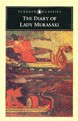

In The Tale of Genji, Lady Murasaki (c. 973c. 1020) created one of the supreme classics of Japanese literature; her Diary offers an intimate and equally compelling picture of her life as tutor and companion to the Empress Shoshi. Although it opens with a lyrical description of the Tsuchimikado mansion in autumn and gives vivid accounts of court events and ceremonies, the work is in no sense an official chronicle. Spiced with anecdote, searching self-analysis and sharp sketches of a timid Empress, spineless courtiers and quarrelsome ladies-in-waiting, it reveals the underside of imperial splendour from an unexpected, utterly female point of view.
In The Tale of Genji, Lady Murasaki (c. 973c. 1020) created one of the supreme classics of Japanese literature; her Diary offers an intimate and equally compelling picture of her life as tutor and companion to the Empress Shoshi. Although it opens with a lyrical description of the Tsuchimikado mansion in autumn and gives vivid accounts of court events and ceremonies, the work is in no sense an official chronicle. Spiced with anecdote, searching self-analysis and sharp sketches of a timid Empress, spineless courtiers and quarrelsome ladies-in-waiting, it reveals the underside of imperial splendour from an unexpected, utterly female point of view.
The Diary of Lady Murasaki / Murasaki Shikibu


